
Nearby
About Sarajevo
Sarajevo, the capital of Bosnia and Herzegovina, lies at the heart of the country and is best known for its centuries-old tradition of hospitality. This vibrant city has a way of getting under visitors’ skin. Sarajevo is a city where even strangers can feel at home. Its long-standing multi-ethnic tradition allows it to thrive on diversity. If there is a city in Europe that effortlessly spans East and West, it is Sarajevo.
A walk through Sarajevo is a walk through its past. From the oriental Ottoman quarters lined with sweet shops, cafés and craft workshops to the administrative and cultural centre dating from the Austro-Hungarian era, Sarajevo brings together the best of both worlds.
Sarajevo offers visitors excellent value for money. Whether it is accommodation, sightseeing, a delicious meal, a night out, wellness or an unforgettable weekend at one of the ski resorts near the city, Sarajevo is sure to surprise visitors with the quality and value it offers.
Every city has its own unique rhythm, and Sarajevo’s is easy-going and relaxed.
Sarajevo is large enough to offer plenty to see and experience, yet small enough that you can reach almost anywhere on foot. Walking is definitely the best way to explore nearly all of Sarajevo’s sights, most of which are located within a radius of just a few kilometres. It is also the best way to discover the charm of the narrow streets in the old part of the city. Taxi fares are among the most affordable in Europe!
A morning in Sarajevo begins with traditional Bosnian coffee. Traditional food is delicious and made from locally sourced ingredients. Ćevabdžinicas serve ćevapi, aščinicas offer a rich selection of traditional cooked dishes, while buregdžinicas are the place to try one of Bosnia’s famous savoury pies.
What to visit in Sarajevo?
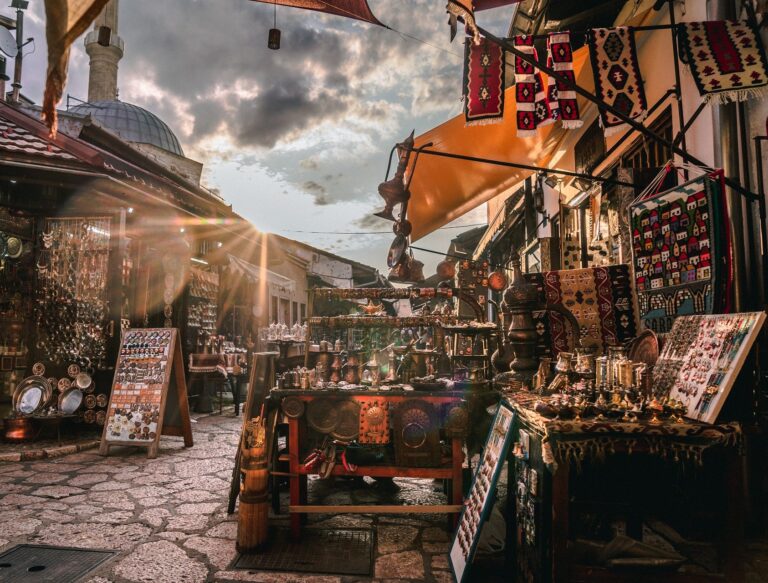
Baščaršija
It is believed that in the Middle Ages, the area of today's Baščaršija was home to a settlement called Stara Varoš, with a small marketplace. Around 1460, Isa-beg Ishaković laid the foundations of Sarajevo, when this marketplace on the right bank of the Miljacka developed into a bazaar.
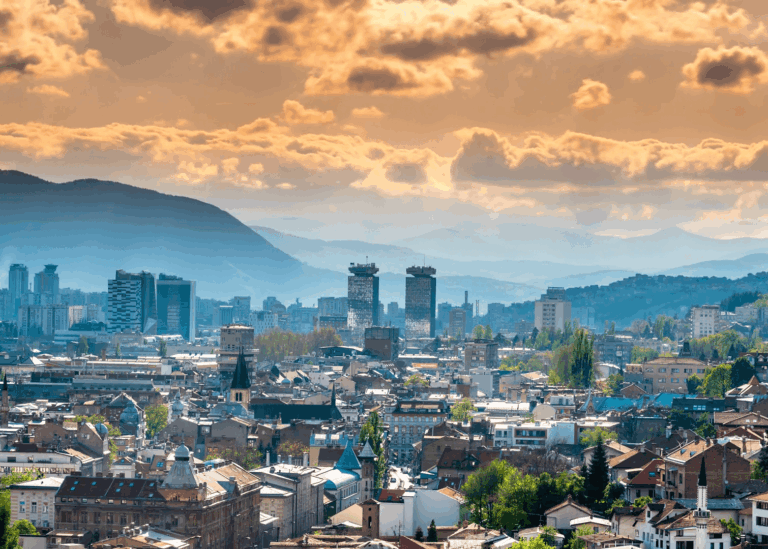
“Sarajevo Meeting of Cultures”
is the name of a marker set into Ferhadija Street near Gazi Husrev-beg's Bezistan, at the point where two dominant cultures that shaped Sarajevo's past meet. Sarajevo is often seen as a city where East and West come together - both geographically and culturally - with Ottoman culture representing the East and Austro-Hungarian culture the West.
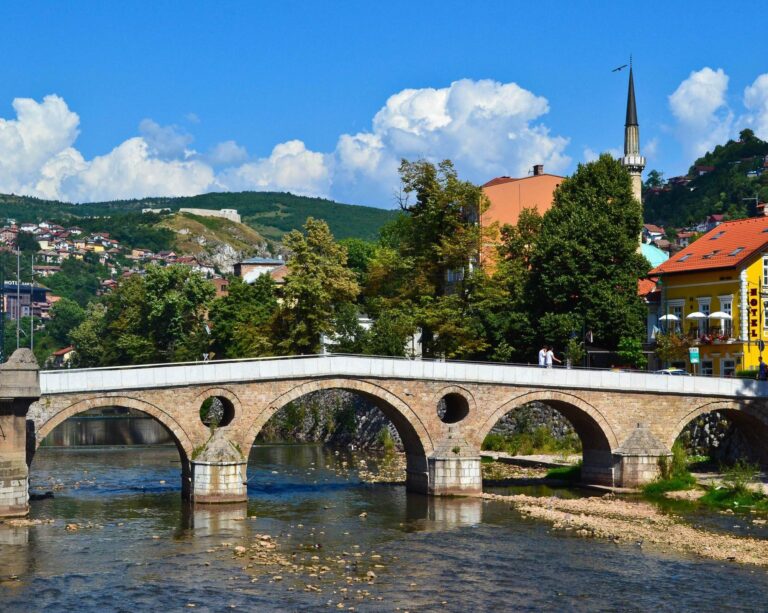
Latin Bridge
From 1918 to 1993, the Latin Bridge was known as Princip's Bridge, after Gavrilo Princip, who assassinated Austro-Hungarian heir to the throne Franz Ferdinand and his wife Sophie just a few metres from the bridge. The event, known as the Sarajevo Assassination, was the immediate trigger for the First World War.
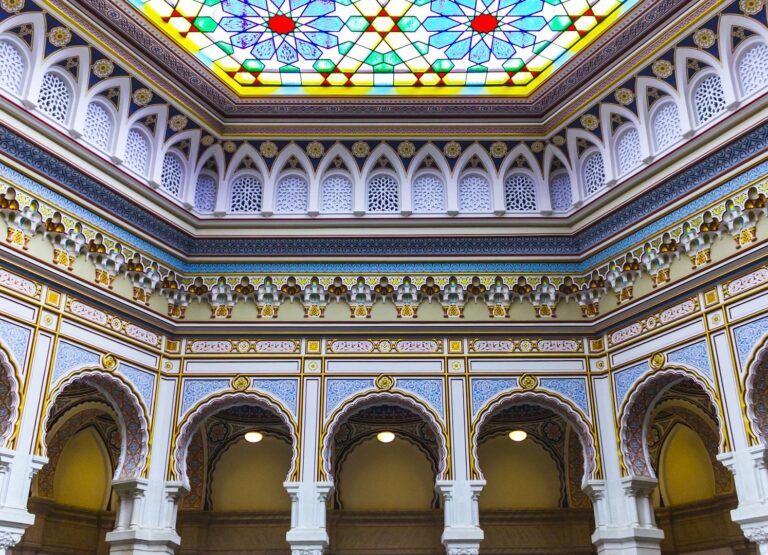
Sarajevo City Hall
is the most magnificent building constructed in Sarajevo during the Austro-Hungarian period and has become a distinctive international symbol of the meeting of civilisations.
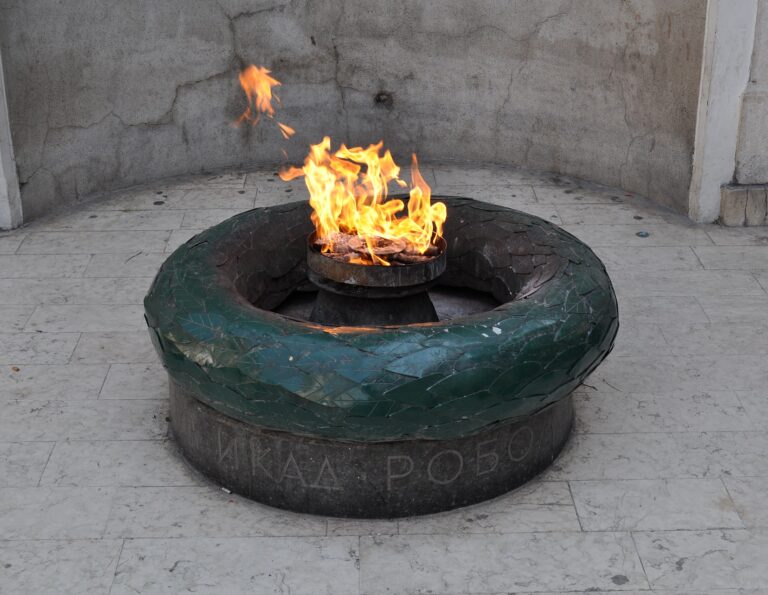
Eternal Flame
is a monument to the liberators of Sarajevo in the Second World War. It was unveiled to the public on 6 April 1946, on the first anniversary of the liberation of Sarajevo.
Nature in and around Sarajevo
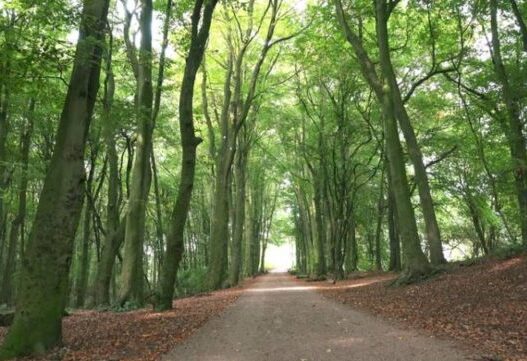
Velika Aleja
is an attractive promenade leading from the spa complex in Ilidža to Sarajevo's most popular excursion spot, Vrelo Bosne. Around 3.5 kilometres long, the avenue is lined with approximately 3,000 chestnut and plane trees, many of them more than a hundred years old.
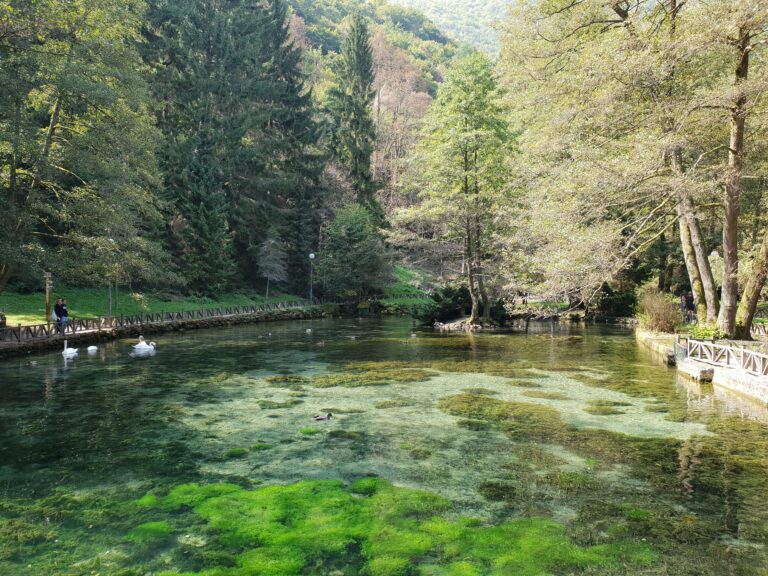
Vrelo Bosne
The Vrelo Bosne natural monument covers an area of 603 hectares and lies at the foot of Mount Igman in Ilidža, around 15 kilometres from the centre of Sarajevo.
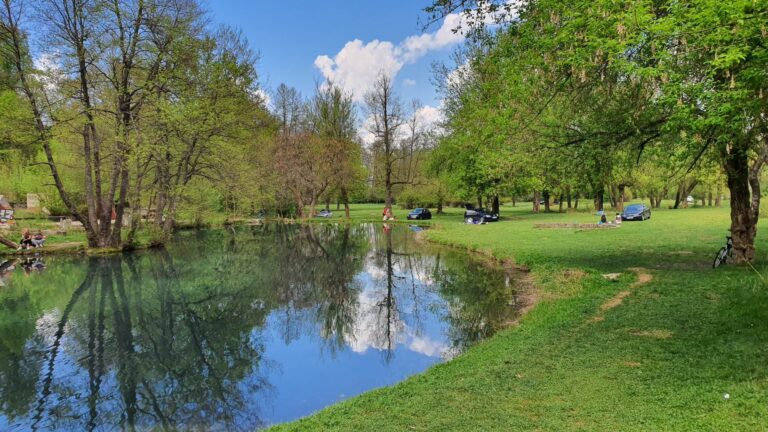
Stojčevac
The Stojčevac recreation area lies on the edge of the Sarajevo Field, close to Velika Aleja and Vrelo Bosne, both of which can be reached by a short and pleasant walk. Located at the foot of Mount Igman, Stojčevac has fresher, cleaner air and more pleasant summer temperatures than the city itself.
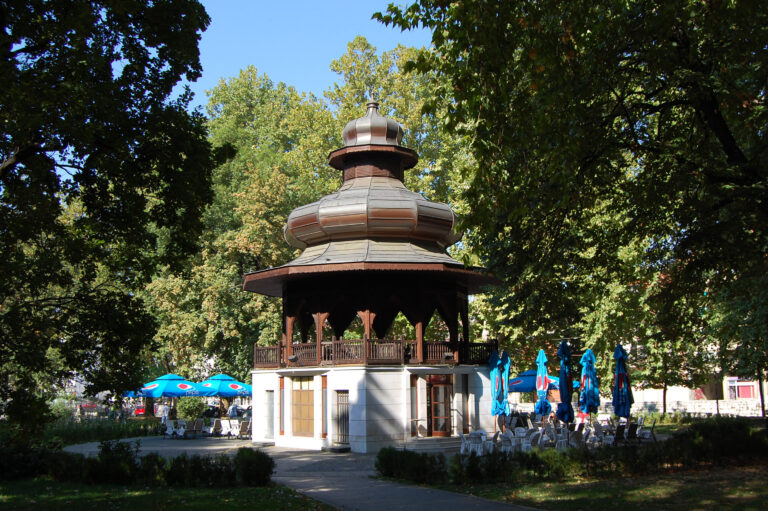
At Mejdan Park
lies on the left bank of the Miljacka, between the Latin Bridge and Ćumurija Bridge. This green corner in the heart of old Sarajevo covers around 2,500 square metres and has changed both its name and purpose several times over the years.
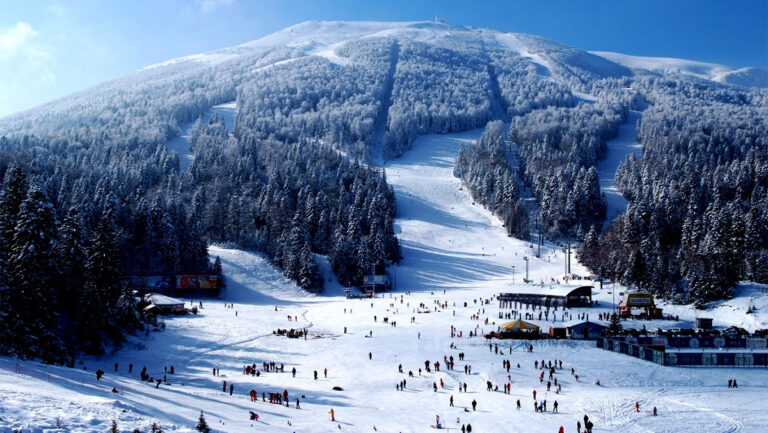
Bjelašnica
The beauty of Mount Bjelašnica, 35 km from the centre of Sarajevo, can be enjoyed all year round. In summer, Bjelašnica, whose highest peak rises to 2,067 metres above sea level, is covered in lush green grass, while in winter it is blanketed in deep snow.
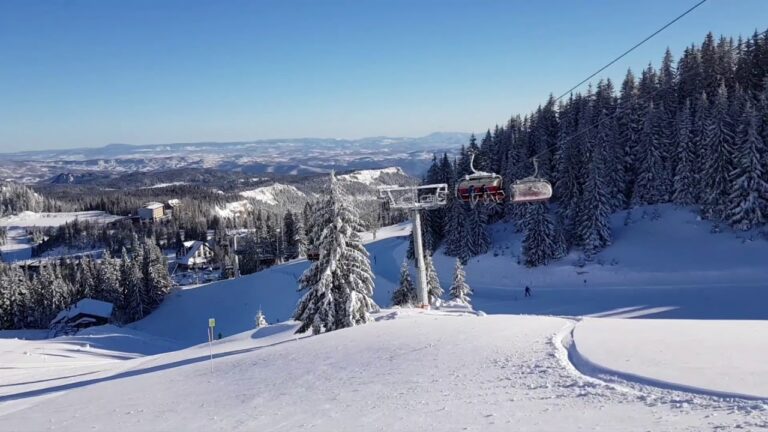
Jahorina
Mount Jahorina is 28 kilometres from the centre of Sarajevo, and its highest peak is Ogorjelica (1,916 m). In summer, Jahorina is an ideal destination for anyone who enjoys beautiful nature - green pastures, clear mountain springs and deep forests offering relief from the summer heat. During the summer, the mountain offers plenty of activities for hikers, climbers, cavers, hunters and anglers.
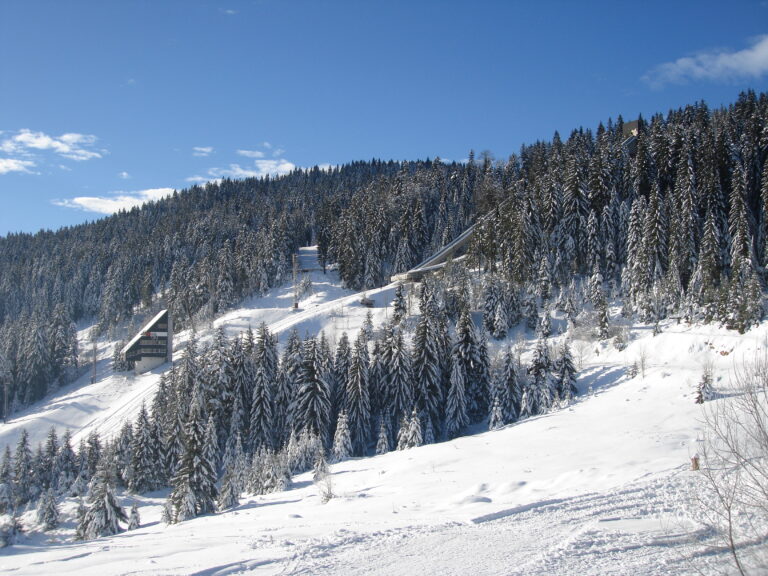
Igman
The plateau of Mount Igman lies 24 km southwest of Sarajevo, with Sarajevo's suburban settlements stretching along its slopes. Igman recorded the lowest temperature in the region, an incredible -43°C. Its exceptionally high ozone concentration is one of the reasons it is considered an excellent place for fresh-air retreats, rest and recreation.
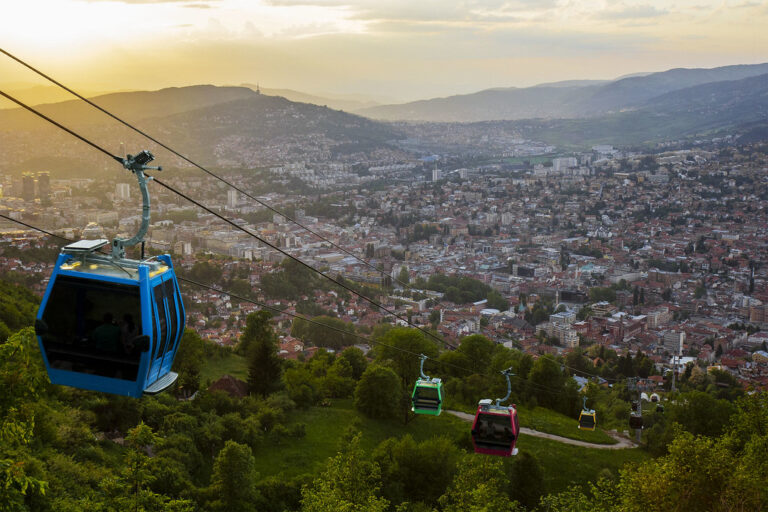
Trebević
Mount Trebević is impossible to miss from Sarajevo, with its distinctive TV tower at the summit and the mountain embracing the city from the south. Generations of Sarajevo residents travelled there by cable car for excursions; the original cable car ran from Bistrik to the start of the Olympic bobsleigh track. It was destroyed during the war and rebuilt in 2018. Today, the easiest way to reach Trebević is by cable car or a 20-minute drive.